Annual Scout Planning
Building our troop's annual plan revealed how we can better support scouts. Here's what full visibility showed us about what scouts actually need.

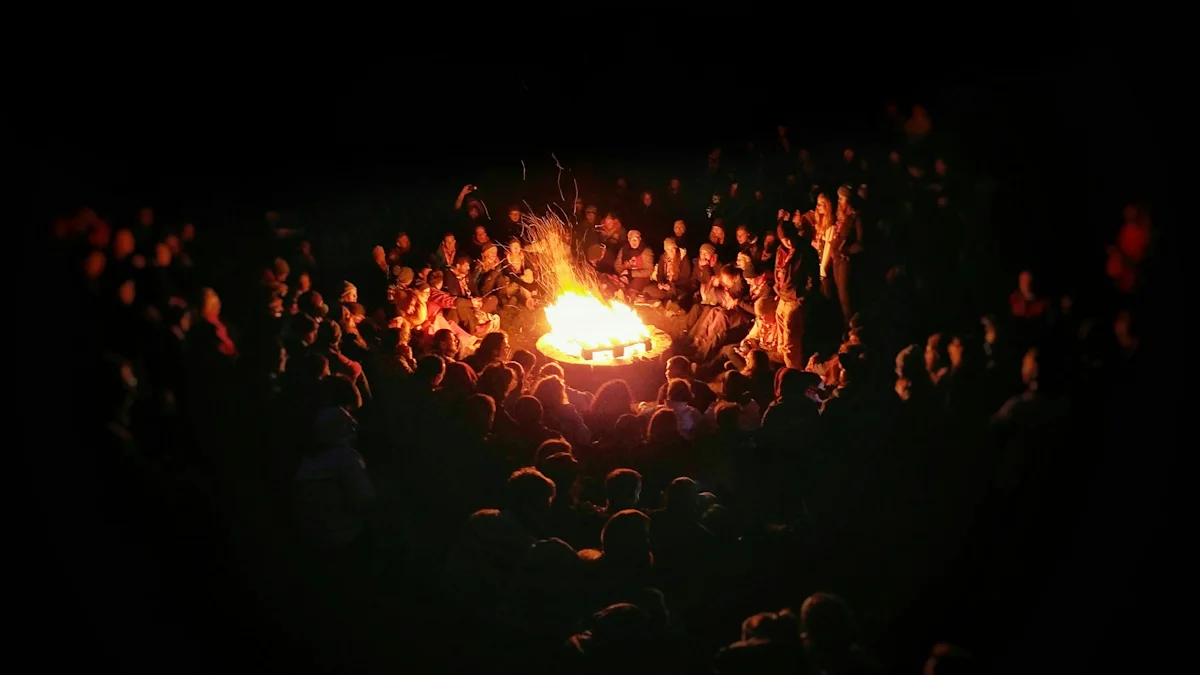
Annual Planning: Better Supporting Your Scouts
When I took on the committee chair role for BSA Troop 266, I inherited an organization with good intentions but fragmented execution. We had scouts, supportive volunteers, and a scoutmaster committed to the mission. What we didn't have was a cohesive annual plan. Activities happened when someone thought of them. Communication flowed one direction through a single email manager. Families wanted predictability; we offered uncertainty.
I knew we needed a master calendar, a budget, and clarity on who would lead what. But I didn't know what I'd actually learn in the process of building it.
The Decision to Plan Completely
I decided our committee would build an entire 2026 calendar from scratch. No "we'll figure it out as we go." No "this is how we've always done it." A complete, published plan that scouts and families could rely on.
Most people would optimize for efficiency here. Schedule a focused meeting with just the essential decision-makers—scoutmaster, treasurer, maybe a couple of activity leads. Two hours, agenda items, decisions made, done.
I sent the invite to the full committee.
Why I Wasn't Sure That Was Right
If I'm honest, I wasn't confident about that decision. As a leader, self-doubt creeps in a lot. It's a normal part of the process for me, and I wonder if the participants value it. At the end of the day, with little feedback, bringing all together feels like it was the right decision, even with a few drawbacks. A full committee meeting meant more voices, longer discussion, and potential tangents. It meant we might not cover everything in one night. It meant less control over the outcome.
But I also recognized that the committee members collectively held the complete picture: the scoutmaster knew scout readiness and skill progression. Committee members knew their own availability and commitments. The treasurer understood our actual budget constraints. If I wanted a realistic plan—not just a theoretical one—I needed all that context in the room at the same time.
The Structure That Made It Work
We used a two-phase approach:
Phase 1: Committee meeting focused on troop-level anchors we could decide immediately—summer camp dates, monthly meeting schedules, major service projects, the fundraising calendar. We built a skeleton calendar, published it, and created space for patrol input.
Phase 1.5: Patrol leader input came separately. Each patrol leader filled in their activities—camping trips, hikes, merit badge workshops they wanted to run. They had a clear deadline and a clear template.
Phase 2: Committee integration brought it all back together. With patrol activities on the table, we could see the full year, spot conflicts, identify what needed adult leadership, and finalize the budget with actual numbers.
The full committee was present for Phase 1. It wasn't the most efficient meeting I've ever run. We went longer than planned. We didn't get to the budgeting aspect we'd hoped to cover. But we did get something more valuable: a complete picture of our year. We know it won't be perfect and we'll be making slight adjustments, but we have a much more complete picture we can share with everyone.
The Discovery That Came From Slowing Down
Sitting there with the full calendar visible—all the activities, all the outings, all the fundraisers—I did the math.
The first-year cost of scouting in our troop runs approximately $800 per scout. That covers everything: uniforms, activities, camps, materials, registration. It's not unreasonable for what scouts get, but it's real money for families.
I then looked at our fundraising plan. With the activities we'd scheduled, scouts have the opportunity to earn approximately $400 across the year. That's about half their cost.
But here's what struck me more than the gap itself: how we're trying to close it.
Our current fundraising strategy is largely unstructured. We send home order forms—for cookie sales, popcorn, discount cards—and expect scouts to go make it happen. Without true structure and clear parent support, here's what actually occurs: Either parents end up doing the work—driving, posting on Facebook, taking kids door-to-door—or parents write a check and call it done.
Both paths miss the actual lesson we're trying to teach.
When parents are doing the selling work, scouts aren't learning anything about sales, customer service, or earning their way. When parents write a check to skip the whole thing, scouts learn that money solves problems, not effort.
The contrast became clear when I thought about what structured fundraising looks like. A troop-run popcorn sale with show-and-sell events, for example. There's a booth. There's a schedule. Scouts work shifts. Parents' role is clear: help with setup, maybe staff a shift alongside scouts, provide transportation. But the scouts are doing the actual work. They're talking to customers, making sales, learning.
That's fundamentally different from a scout with an order form and no structure, hoping to sell to neighbors.
Supporting the scouts
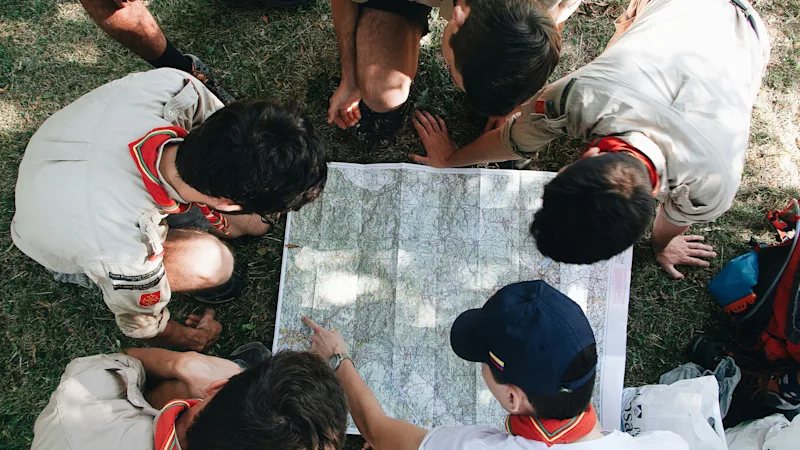
The Real Problem
The issue isn't that we need scouts to earn $400 instead of $200. The issue is that we've structured fundraising in a way that makes it optional for scouts and makes it easy for parents to replace scout work with their own effort or a check.
When fundraisers lack structure and clear expectations, parents reasonably think: "This is too much work to coordinate. I'll just write a check." The scout learns passivity. The parent learns that money is easier than effort.
A well-structured fundraiser—where scouts actually participate meaningfully and parents support rather than replace—teaches different lessons entirely.
Improving the ogranization
Why Inefficiency Matters
There's a management principle that says: eliminate unnecessary meetings, focus on decision-makers, respect people's time. It's sound advice. But it assumes you already know what's necessary.
The problem with optimizing for efficiency before you understand the full system is that you miss systemic problems. You optimize the wrong things.
In this case, an efficient meeting might have produced a calendar and a fundraising checklist. But it wouldn't have surfaced that we're structuring fundraisers in a way that inadvertently pushes scouts toward passivity. That gap—between needing scouts to learn and designing fundraisers where they actually can—is a program design issue. It affects retention, engagement, and whether families see scouting as investing in their child or just paying for activities.
What Happens Next
Full participation led to a more complete picture. That picture revealed a problem I want to solve.
In 2026, we're restructuring our fundraising approach. Instead of order-form-and-hope, we're shifting toward structured events where scouts do meaningful work and parent support is clearly defined. A fully supported popcorn sale with show-and-sell events, for example—the kind where scouts actually earn money while learning customer service and sales skills, and parents' role is transparent and bounded.
That approach takes more coordination than handing out order forms. It requires adults committed to running the events. But it actually delivers on what we're asking scouts to do: earn their own way while learning something valuable in the process.
This approach emerged directly from seeing the full year at once—from understanding not just that we have a funding gap, but how that gap was actually being filled (or avoided) in ways that didn't serve scouts.
The Leadership Lesson
For scout leaders and anyone building plans with a board or committee: resist the urge to optimize for speed before you understand the system you're planning.
Bring the people who hold different pieces of the puzzle into the same room. Let the conversation meander enough to surface what actually matters. Yes, it takes longer. Yes, you might not cover your whole agenda. But you'll see what an efficient process would have missed.
The planning process itself is diagnostic. It's not just about getting a calendar; it's about understanding your organization. Pay attention to what conversations emerge, what surprises you, and what the full picture actually shows you about how things work.
Then act on what you've learned.